Wondering how to pack fragile items so they survive the move? Broken dishes and cracked picture frames are one of the most common — and most avoidable — moving mishaps. The right materials and a few packing habits make the difference between fragile items arriving intact or arriving in pieces.
Here’s how to pack fragile items like a pro, based on what our packing services team does for every move. For general moving-day safety tips, see the Federal Motor Carrier Safety Administration’s consumer moving guide.
How to Pack Fragile Items: Supplies You Need Before You Start
- Small and medium moving boxes — avoid large boxes for heavy fragile items like dishes.
- Packing paper (not newspaper, which can transfer ink) for wrapping individual items.
- Bubble wrap for glassware, electronics, and anything with a delicate surface.
- Dish-pack or cell-divider boxes for stemware, glasses, and plates.
- Packing tape and a tape gun for fully sealing box bottoms and tops.
Packing dishes and glassware step by step
- Line the bottom of the box with crumpled packing paper for cushioning.
- Wrap each plate individually and stack them on their edge, never flat.
- Wrap glasses and stemware individually, stuffing paper inside hollow items like cups.
- Fill any gaps with packing paper so nothing shifts during transport.
- Label the box “Fragile” and “This Side Up” on multiple sides.
Packing picture frames, mirrors, and electronics
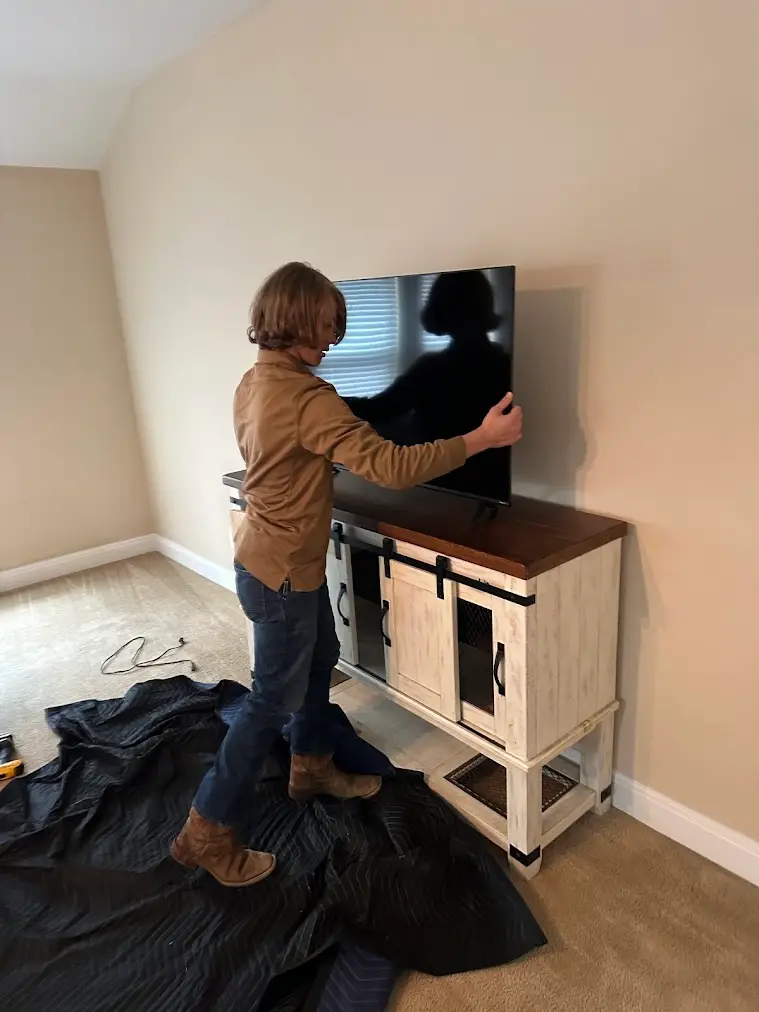
Picture frames and mirrors travel best in dedicated mirror cartons, wrapped first in glassine or packing paper to protect the surface, with cardboard corner protectors on all four corners. Electronics should go in their original boxes when possible; if not, use anti-static bubble wrap and avoid stacking anything heavy on top.
Labeling and box placement tips
| Item Type | Best Box | Padding |
|---|---|---|
| Plates and dishes | Dish-pack / small box | Packing paper, stack on edge |
| Glasses and stemware | Cell-divider box | Individual wrap + paper stuffing |
| Picture frames / mirrors | Mirror carton | Glassine paper + corner protectors |
| Electronics | Original box or medium box | Anti-static bubble wrap |
Common fragile-packing mistakes
- Packing plates flat instead of on their edge, where they’re more prone to cracking.
- Leaving empty space in a box, which lets items shift and collide in transit.
- Using boxes that are too large or heavy to carry safely once full.
- Skipping labels, which means fragile boxes don’t get handled with extra care.
When to let professionals pack for you
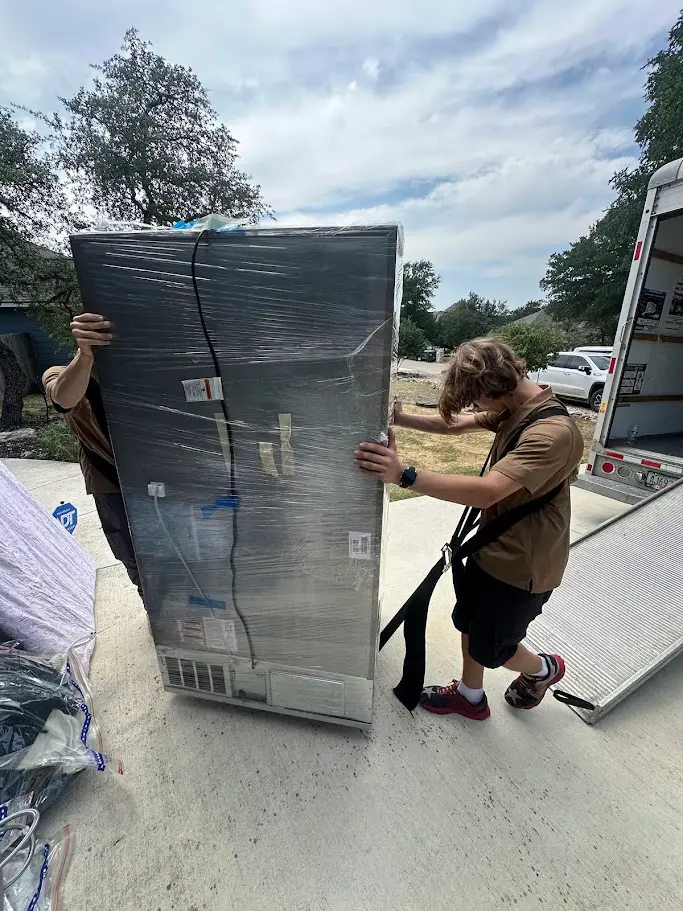
If you’re short on time, have a large kitchen or china collection, or are moving valuable and fragile items like antiques or fine art, professional packing is worth considering. See our guide on full-service vs. self-pack to compare the cost and time tradeoffs.
Frequently asked questions
Can I use newspaper instead of packing paper?
It’s not recommended — newspaper ink can transfer onto dishes and glassware. Clean packing paper is a better choice for anything you’ll eat or drink from.
Should plates be packed flat or on their edge?
On their edge, like records in a crate. Plates packed flat are more likely to crack under the weight of items stacked above them.
How many boxes will I need for a full kitchen?
It varies widely, but a typical kitchen uses 10-15 small and medium boxes for dishes, glassware, and small appliances.
Do movers provide packing materials?
Yes, professional packing services typically include all boxes, paper, bubble wrap, and tape as part of the service.
What’s the safest way to pack a TV?
Its original box is ideal. Without it, use a TV-specific moving box with foam corners, and always transport it upright, never flat.
Don’t want to pack it yourself?
Let our team handle the fragile stuff — get a free packing quote.