This room-by-room packing guide keeps the process from taking over your whole week. Packing is usually the part of moving that eats the most time — and the part where rushed decisions lead to broken dishes or a truck full of boxes nobody labeled. Whether you’re packing everything yourself, handing it all to a crew, or splitting the difference, a room-by-room plan keeps things organized.
Two Step Moving offers full-service and partial packing for San Antonio moves, with materials sized for Texas heat and humidity. See what’s included or get a free quote for your home. For general packing safety tips, see the Federal Motor Carrier Safety Administration’s consumer moving guide.
Full-pack, partial-pack, or self-pack: which is right for you?
Most households land somewhere between doing it all themselves and handing over every box. Here’s how the three approaches compare.
| Option | Best For | What’s Included |
|---|---|---|
| Full-pack | Busy schedules, larger homes, downsizing moves | Crew packs every room, including fragile and specialty items |
| Partial-pack | Households who want help with the hard rooms only | Crew packs kitchen, closets, and fragiles; you handle the rest |
| Self-pack | Smaller moves or hands-on movers on a tighter budget | You pack everything; crew loads, transports, and unloads |
Room-by-room packing guide
Working room by room — rather than grabbing whatever’s closest — keeps boxes organized by where they’ll unload, and makes it obvious what’s left to do.
Kitchen
- Use dish-pack boxes with cell dividers for plates, bowls, and glassware
- Wrap knives in dish towels or bubble wrap before boxing, blade-side protected
- Pack small appliances in their original boxes when you still have them
- Leave one “first night” box unpacked with coffee, snacks, and paper plates
Bedrooms & closets
- Use wardrobe boxes to move hanging clothes straight from the closet rod
- Pack shoes separately from clothing to protect fabric
- Keep jewelry, documents, and small valuables in a box you transport yourself
- Strip bedding a day before the move and pack it in a labeled linen box
Living room & electronics
- Photograph cable setups before disconnecting TVs and sound systems
- Use original boxes for TVs and monitors when available, or a mirror box as a substitute
- Wrap picture frames and mirrors individually and pack them upright, never flat
- Bag and label hardware from disassembled shelving or furniture
Garage & outdoor items
- Drain fuel from lawn equipment before moving day
- Box tools by type and keep sharp or pointed tools wrapped
- Set aside propane tanks, paint, and chemicals — these need separate transport, not the moving truck
- Pack patio cushions and decor last since they load easily and don’t need much protection
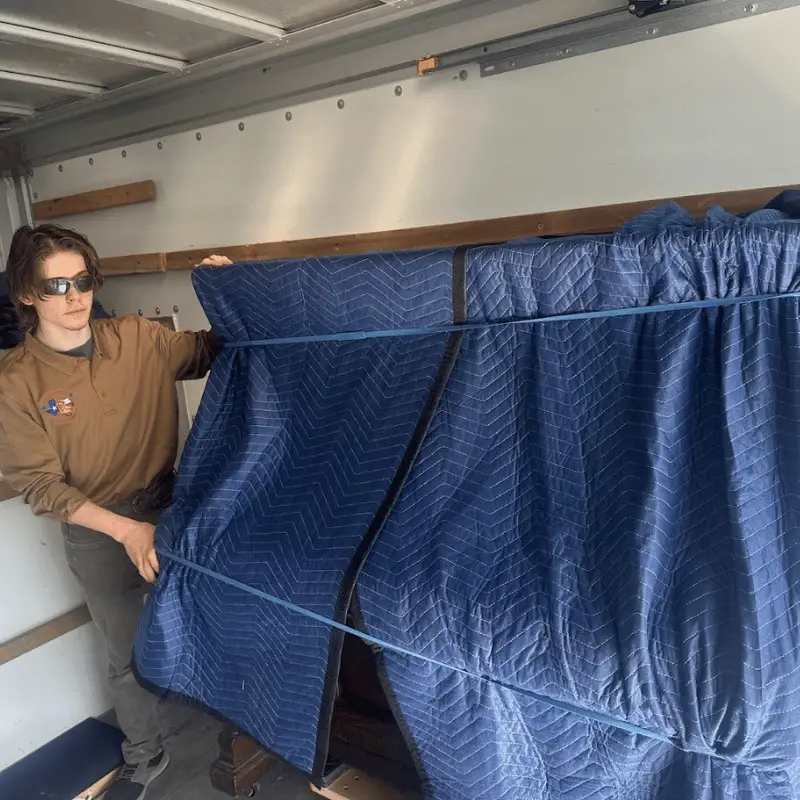
What not to pack in the moving truck
San Antonio’s summer heat is the big reason this list matters more here than in cooler climates. A closed truck can climb well past 120°F on a June or July afternoon, which is enough to damage or ignite certain items.
- Propane tanks, aerosol cans, and lighter fluid
- Candles, wax items, and vinyl records, which can melt or warp
- Medications and anything temperature-sensitive — keep these with you
- Perishable food and refrigerated or frozen items
- Houseplants, which don’t tolerate hours in a closed, hot truck
- Important documents, cash, and irreplaceable valuables
Packing materials checklist
A rough materials list for an average 3-bedroom home — adjust up or down based on how much you own.
| Material | Used For | Approx. Quantity |
|---|---|---|
| Small/medium boxes | Books, kitchen items, dense goods | 15–20 |
| Large boxes | Linens, pillows, lightweight bulky items | 10–15 |
| Dish-pack boxes | Plates, glassware, breakables | 3–5 |
| Wardrobe boxes | Hanging clothes | 2–4 |
| Mirror/picture boxes | Mirrors, art, TVs | 2–4 |
| Packing paper | Wrapping dishes and fragiles | 5–10 lb bundle |
| Bubble wrap | Electronics, glassware, decor | 1–2 rolls |
| Packing tape | Sealing boxes | 6–8 rolls |
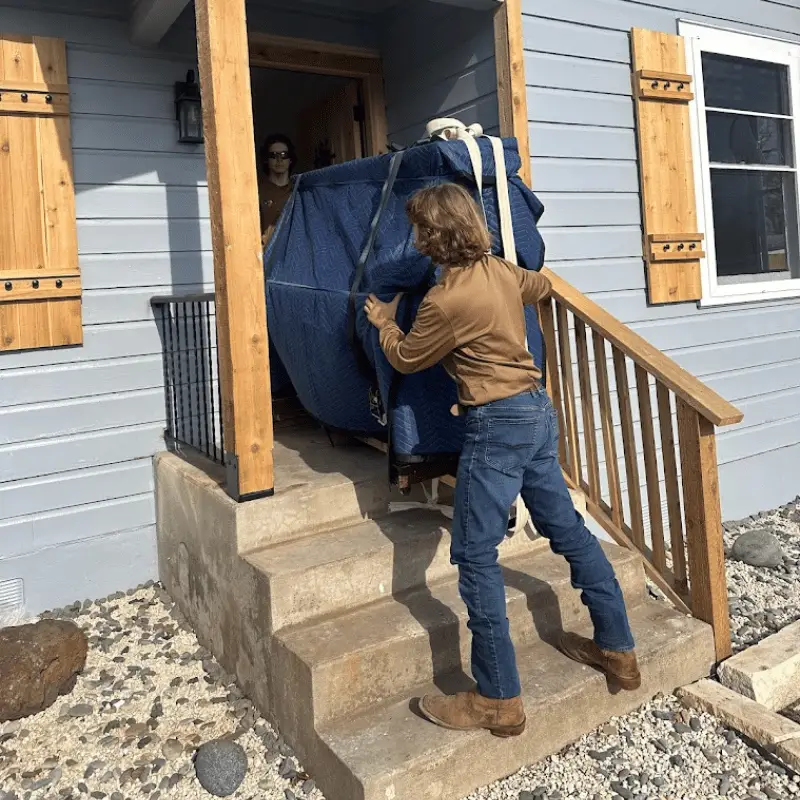
Ready to schedule the move itself? See our residential moving services or check the moving day checklist.
Frequently asked questions
How far ahead should I start packing before moving day?
Start non-essential rooms two to three weeks out — garage, storage, off-season clothing. Save the kitchen and bathrooms for the final few days. If you’re booking full-pack service, we typically pack the day before or the morning of your move.
Do I have to pack everything, or can I mix self-pack and full-pack?
You can mix approaches. Many customers self-pack closets and the garage, then let our crew handle the kitchen and fragile items where breakage risk is highest.
What shouldn’t go in the moving truck during a San Antonio summer move?
Propane, aerosols, candles, vinyl records, medications, perishable food, and houseplants shouldn’t ride in a closed truck, since summer truck interiors can climb well past 120°F. Keep these with you instead.
Do you supply boxes and packing materials?
Yes. We bring dish-pack boxes, wardrobe boxes, mirror boxes, packing paper, and tape sized for your home, whether you book full-pack, partial-pack, or just need materials for a self-pack move.
How much does packing add to the cost of my move?
Packing cost depends on how much of your home you want packed and the materials used. We’ll walk through full-pack, partial-pack, and self-pack pricing when you request a quote so you can compare before booking.
Can I pack fragile items like dishes and mirrors myself?
You can, but breakage from improper packing is one of the most common moving-day issues we see. If you’re self-packing, use dish-pack boxes with dividers for glassware and always pack mirrors and art upright, never flat.
Want help with the packing?
Tell us which rooms you’d rather not pack yourself — we’ll build a full-pack or partial-pack quote with materials included.