
This San Antonio home moving guide walks you through the neighborhood logistics that most moving checklists skip — HOA rules, gate codes, deed restrictions, and utility timing that can derail move day if you’re not prepared.
This guide covers the San Antonio neighborhood logistics that catch homeowners off guard. For pricing factors, crew sizing, and what a residential move includes, see our residential movers page, or get a free quote for your specific address. For general background on how homeowners associations operate, see the Community Associations Institute’s HOA resource center.
San Antonio Home Moving Guide: Why Neighborhood Rules Matter
San Antonio and Bexar County cover a wide mix of housing: gated master-planned communities in Stone Oak and Alamo Ranch, historic deed-restricted neighborhoods near downtown, and standard suburban subdivisions throughout the metro. Each has its own rules about trucks, parking, and access — rules that live in your HOA handbook or deed restrictions, not in a general moving guide. Sorting these out before move day avoids a crew idling outside a locked gate or a truck getting flagged for blocking a narrow street. This San Antonio home moving guide breaks down the rules for each type of community below.
HOA and gated community move rules
Many San Antonio HOAs require notice before a move, and some charge a refundable move-in or move-out deposit to cover potential damage to common areas like elevators, hallways, or shared driveways.
- Check your HOA handbook or ask your property manager about move-day notice requirements
- Ask whether a move-in or move-out deposit applies, and how to get it refunded
- Confirm whether there are truck size restrictions or designated loading areas
- If you’re in a gated community, provide your moving company the gate code or arrange for guest access
- Ask about quiet hours or move-time windows some HOAs enforce on weekends
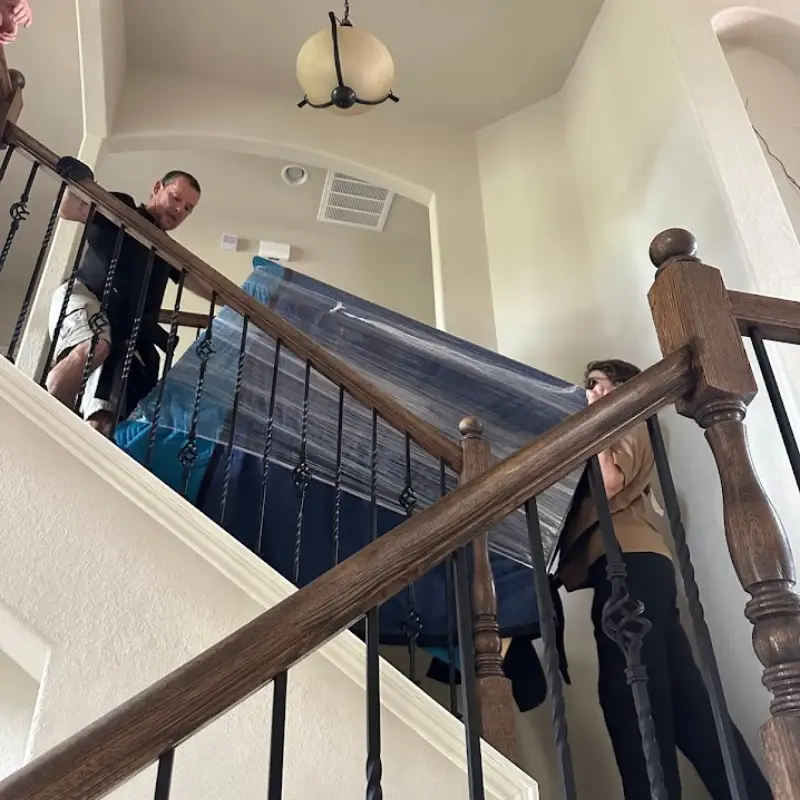
Historic and deed-restricted neighborhoods
Neighborhoods like King William, Monte Vista, and Dignowity Hill sit inside San Antonio’s historic districts, where narrow, tree-lined streets and limited parking can make truck access genuinely difficult — not just inconvenient. Some historic districts also have deed restrictions on exterior changes, though these rarely affect a move directly. Still, it’s worth a quick call to your neighborhood association if you’re moving into or out of one of these areas, so your crew knows where to park and how far the carry distance to your door will be. This San Antonio home moving guide flags these historic-district rules early so movers are not turned away at the curb.
Key handoff and closing-day timing
- If you’re closing on a home the same day you move, build in a buffer — closings can run late, and a crew showing up before you have keys means waiting time
- Confirm garage codes, smart lock codes, or mailbox keys are ready to hand off or already changed
- Coordinate with your real estate agent on exactly when you’ll have legal access to the property
- For new construction, confirm the home has passed final inspection and utilities are active before move day
Utility and service transfer checklist
Start utility transfers about two weeks before your move so nothing lapses on move-in day. Following this San Antonio home moving guide checklist for utilities keeps your first night in the new house comfortable.
| Service | When to schedule | Notes |
|---|---|---|
| Electricity (CPS Energy) | 1–2 weeks ahead | Schedule start date for new address, stop date for old |
| Water (SAWS) | 1–2 weeks ahead | New accounts may require a deposit |
| Internet / cable | 2–3 weeks ahead | Installation appointments book up fastest |
| Gas | 1–2 weeks ahead | Some providers require an on-site appointment to turn on service |
| USPS mail forwarding | 1 week ahead | Submit online at moversguide.usps.com |
Choosing the right day and time for your San Antonio move
San Antonio summers run hot — June through September regularly sees afternoon highs over 95°F, which affects both your crew’s pace and any temperature-sensitive belongings still sitting on the truck. An early-morning start beats the heat and gives you the whole day to unload and unpack. Weekday moves also tend to have easier HOA and street parking availability than weekend moves, when more neighbors are home. This San Antonio home moving guide recommends booking early morning slots during the hottest months whenever your HOA allows it.

If your move involves an apartment instead of a house, see our apartment moving checklist for elevator and COI-specific logistics. And for the hour-by-hour plan once move day arrives, check our moving day checklist. No matter which guide applies, the neighborhood logistics in this San Antonio home moving guide still apply on move day.
Frequently asked questions
Does my HOA need to approve my move date?
Most San Antonio HOAs don’t require formal approval, but many do ask for advance notice, especially in gated or master-planned communities. Check your HOA handbook or ask your property manager a few weeks before your move.
What if my new home is in a gated community?
Provide your moving company the gate code ahead of time, or arrange for the guard or a resident to let the crew in. Let your HOA or gate attendant know a moving truck is expected, since some communities log vendor and contractor vehicles.
Can a moving truck park on the street in historic districts like King William?
Usually yes, but street width and existing parking can make it tight. Scout your street in advance and let your crew know if the closest legal parking spot is more than a short carry from your door — it affects timing and staffing.
How early should I schedule utility transfers for my new San Antonio home?
Start about two weeks ahead for electricity, water, and gas, and closer to three weeks for internet installation, since appointment slots book up fastest. This keeps you from arriving to a home with no power or water.
Is Two Step Moving licensed for residential moves throughout Bexar County?
Yes. Two Step Moving is licensed under USDOT 4332000 and TxDMV 010049340C and serves San Antonio and all of Bexar County, including gated, historic, and suburban neighborhoods alike.
Ready to plan your San Antonio home move?
Tell us about your neighborhood — HOA, gated, historic, or standard — and we’ll build a move plan and a free, itemized quote around it.